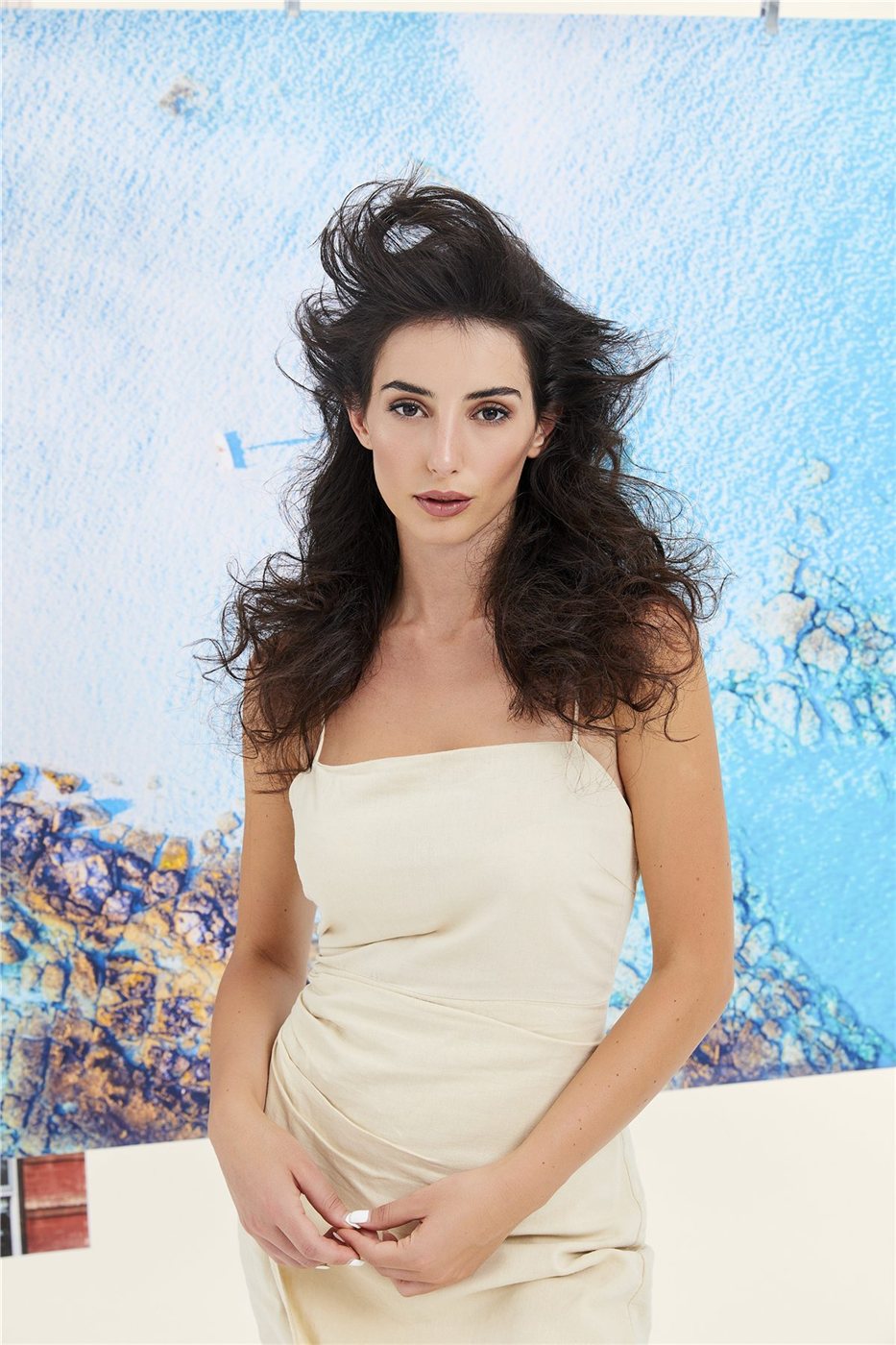
You leave the house with smooth hair and half an hour later it looks like someone else's. If you live in Puerto Rico, you know the story: the Caribbean air is loaded with water almost all year, and hair feels it before anyone else. That's why frizz is one of the complaints we hear most in salons across the island, in every season and with every type of hair.
The good news is that frizz isn't a mystery or a life sentence. There's a simple explanation and, with the right routine, it can be controlled. In this article we explain what humidity does to your hair, which mistakes make it worse without you realizing it, and what to do at home and in the salon.
What frizz is and why it happens
Every strand of hair is covered by the cuticle, a layer of small overlapping scales, like the shingles on a roof. When the cuticle is closed and healthy, the surface is smooth, light reflects off it and the hair shines. When the cuticle is open, lifted or damaged, the fiber is left exposed.
Hair absorbs water very easily. If the air is humid and the cuticle isn't protecting it, the fiber takes in moisture from the environment and swells, but not evenly: some parts absorb more than others. That difference makes strands twist, separate from one another, and the scales lift even more. The result is the uncontrolled volume, the halo of flyaways and the dull look we call frizz.
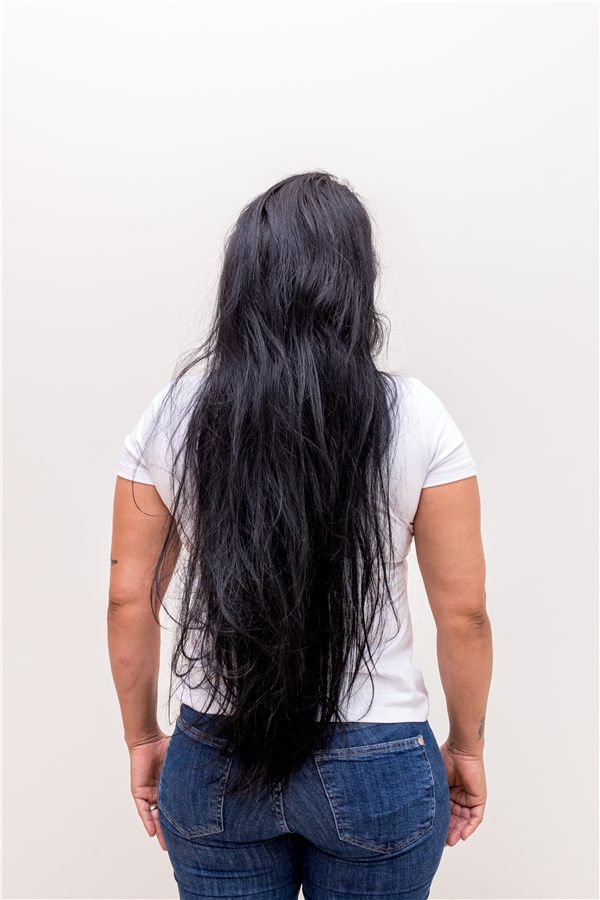
Why it's worse in Puerto Rico
In dry climates, hair spends much of the day with no water around it to absorb. In Puerto Rico it's the opposite: air humidity is high almost all year, and in summer and rainy season it rises even more. Hair lives in an environment that invites it to swell all the time.
Add to that the heat, which makes our scalp sweat, the sun, which dries out the fiber, and the beach and the pool, where salt and chlorine also open the cuticle. That's why a routine that would be enough in another country falls short here.
Which hair types suffer most
- Porous hair: hair that has been through bleaching, coloring, chemical straightening or lots of heat from flat irons and blow dryers. Each of those processes opens or wears down the cuticle.
- Curly and wavy hair: because of its spiral shape, the cuticle is more exposed at the curves, and the scalp's natural oils have a hard time traveling down the strand.
- Dry or dehydrated hair: when it lacks hydration, the fiber pulls water from the air.
- Thick hair: it has more surface area and more volume to control.
Mistakes that make frizz worse
Frizz often doesn't come from the climate alone, but from habits that seem harmless:
- Washing with very hot water. Opens the cuticle and strips away natural oils.
- Using a shampoo that's too harsh or washing more than necessary. Hair that loses its protective layer dries out and puffs up.
- Skipping conditioner or mask. These are the products that help seal the cuticle after washing.
- Rubbing your hair with a towel. Friction lifts the scales and breaks the ends.
- Brushing curly hair dry. Breaks up the curl and turns it into shapeless volume.
- Using the flat iron or blow dryer on maximum without protectant. Excessive heat damages the fiber and leaves it more porous with every use.
The home routine that really helps
The idea is simple: cleanse without drying, seal the cuticle and leave a layer that protects the fiber from humid air.
- 1. Wash with a gentle shampoo, pH-balanced, that cleans without stripping away the hair's entire protective layer. Rinse with lukewarm or cool water.
- 2. Use a mask once a week, or more if your hair is chemically treated or you go to the beach a lot. Acidic-pH masks help close the cuticle.
- 3. Dry without rubbing. Squeeze your hair with a microfiber towel or a cotton T-shirt to remove excess water.
- 4. Apply a leave-in or protectant on damp hair, from mid-lengths to ends. It's the barrier between your hair and the air.
- 5. If you use heat, protect your hair. Use heat protectant, lower the temperature and finish drying with cool air to close the cuticle.
- 6. Finish your style with a product that protects against humidity, especially on rainy days or if you'll be outdoors.
What we use in the salon and recommend for home
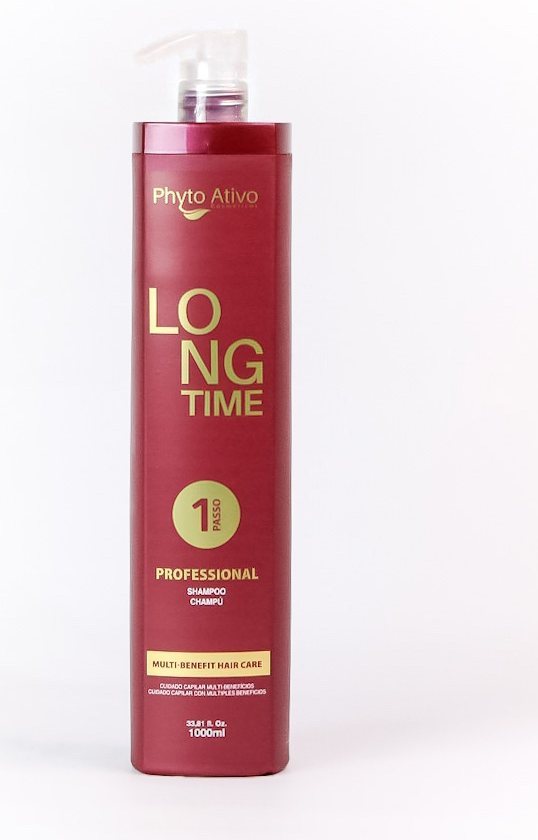
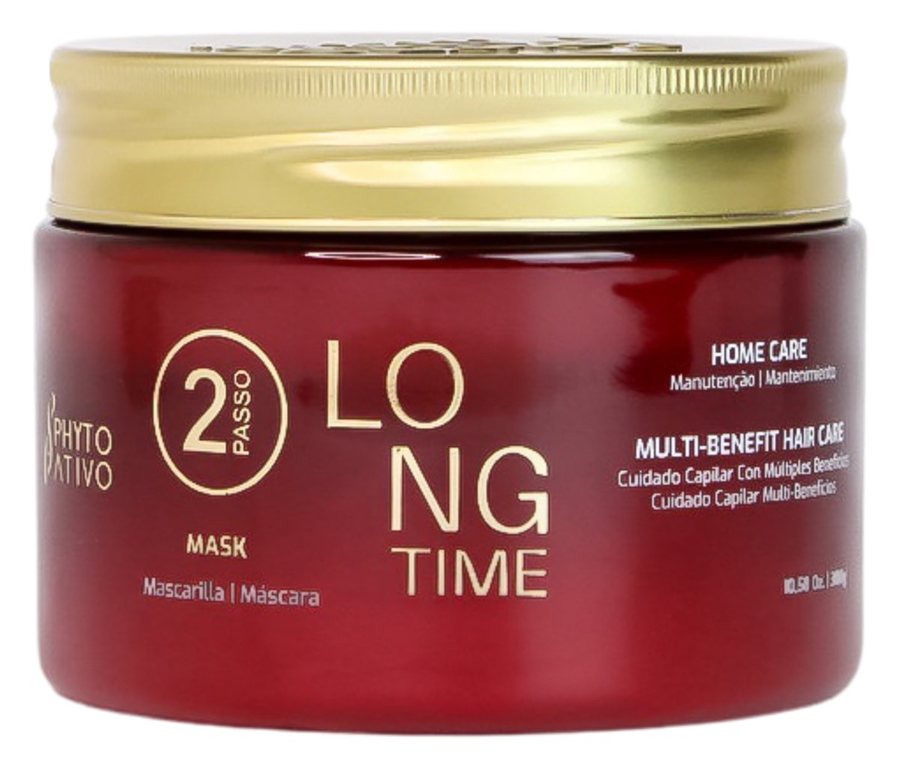
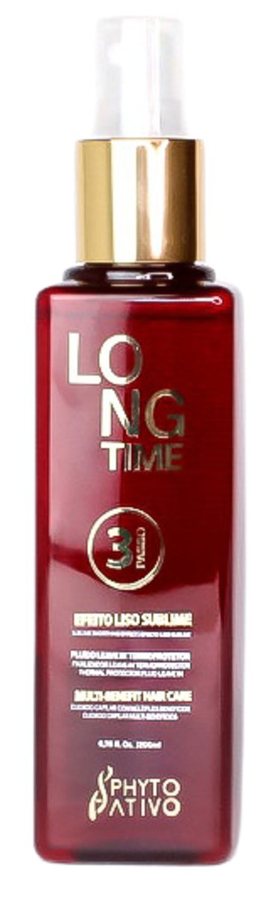
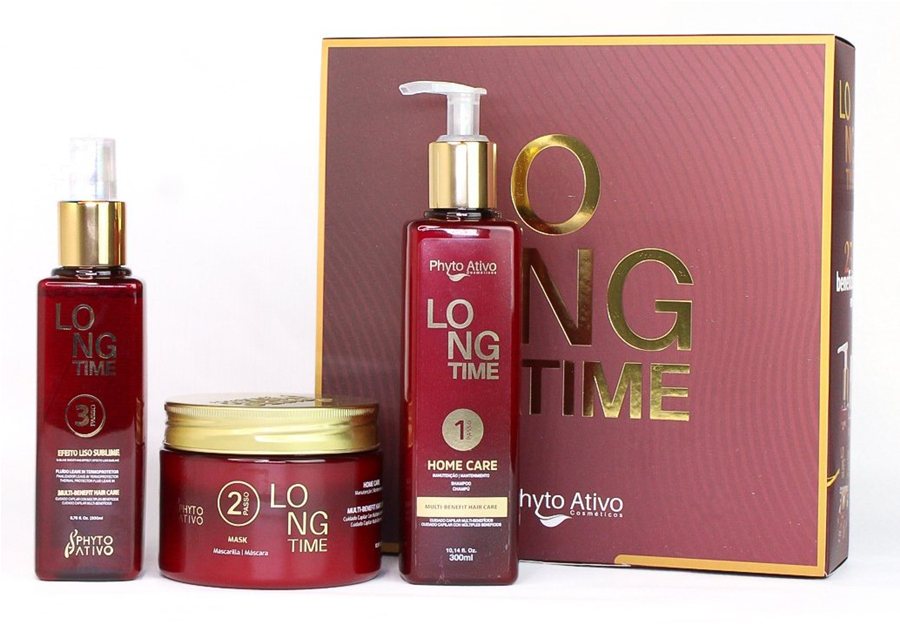
The Long Time line from Phyto Ativo is designed precisely for this. The shampoo has a pH of 5.0 and cleanses gently, restoring the lipid layer without drying. The mask, with a pH of 4.0, forms a protective film that seals the cuticles, blocks the humidity that causes frizz and helps keep color from fading. The leave-in forms an anti-frizz shield with heat protection up to 230 °C, speeds up drying and doesn't build up on the fiber. It works for all hair types, including fine hair, and helps straightening, lightening and color last longer. The Home Care kit includes all three together.
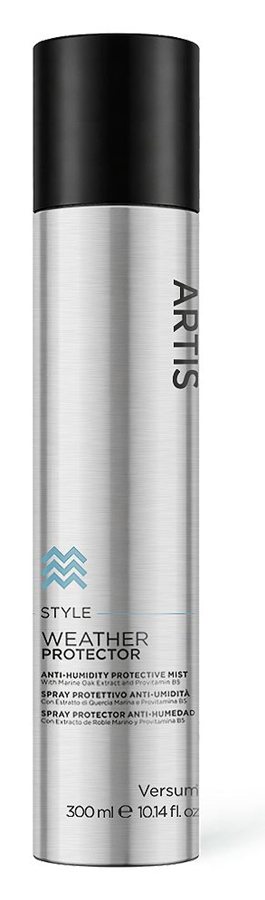
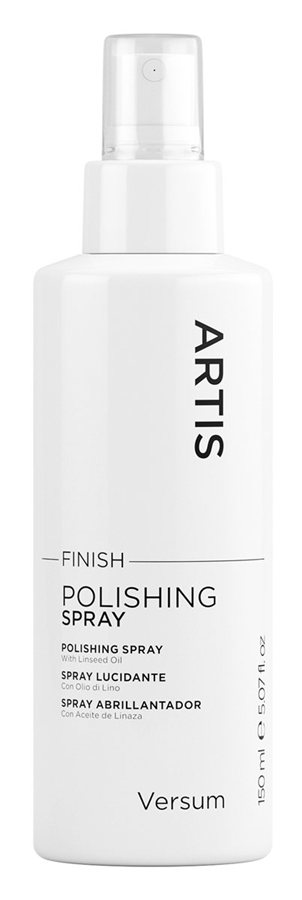
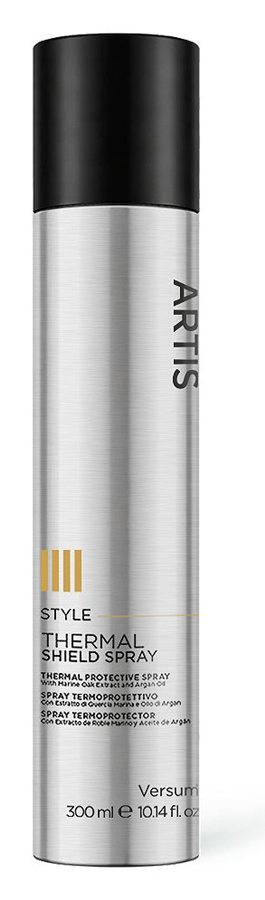
For styling, Artis Weather Protector from Versum creates a barrier against humidity and weather changes, with sea oak extract and provitamin B5. Spray it on damp hair before drying, or on dry hair to hold your style. If you use a flat iron or blow dryer, the Artis Thermal Shield Spray protects against heat, and for the finishing touch, the Polishing Spray adds intense shine and protects against humidity.
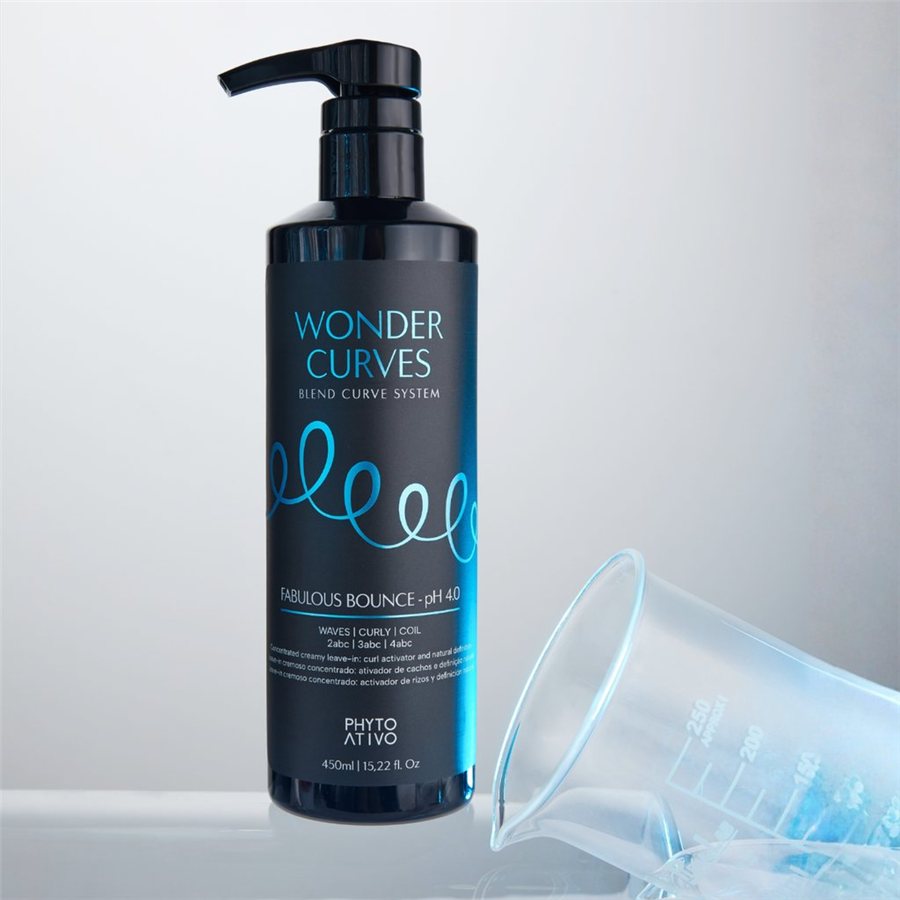
If you have curls, the goal isn't to straighten them but to define them. The activating cream Wonder Curves Fabulous Bounce Leave-In | Phyto Ativo | Rolland Hair Trend Caribbean, Inc. from Phyto Ativo activates and defines curls with a memory effect, controls frizz and nourishes without stiffening or weighing hair down.
When the frizz won't go away
If the hair is very damaged or very porous, no home product will fix it on its own. That calls for an in-salon treatment: a formaldehyde-free thermal alignment, which realigns the fiber and reduces volume, or a reconstructive treatment, which replaces what the hair has lost. Afterward, the home maintenance routine makes the result last.
Your stylist can take a close look at your hair and tell you what it needs. Bring an idea of what you use at home to your appointment: it helps figure out where the frizz is coming from.
Quick questions
Does trimming the ends help with frizz?
It helps with split ends, which frizz more, but it doesn't fix the cause. You also need a routine that seals the cuticle.
Is it bad to sleep with wet hair?
Wet hair is more fragile and tangles against the pillow. It's best to dry it, or at least get it almost dry, before going to bed.
Does a silk or satin pillowcase help?
Yes: it creates less friction than cotton, so you wake up with less frizz and fewer tangles.
How often should I use a mask?
Once a week as a general rule; more if your hair is chemically treated or you often go to the beach or pool.
Sources: Phyto Ativo and Versum technical data sheets; American Academy of Dermatology, How to stop damaging your hair.